Source Waterproof Canvas Fanny Pack for Travel, Sports, and Running
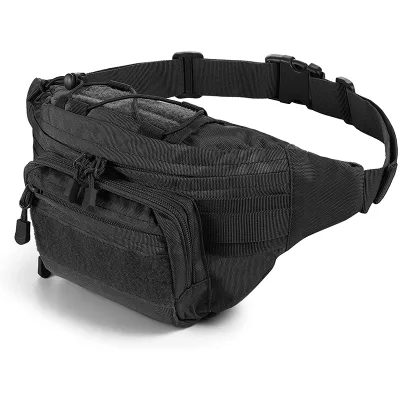
Explore 30 options for a waterproof canvas fanny pack suitable for traveling, running, and outdoor activities. Compare models like CHS-FB21001 and CHS-BP23062, noting features such as zipper closures, polyester linings, and soft PVC or canvas materials. Find versatile, unisex designs for daily use.
Key considerations
Products List




Comprehensive Sourcing Guide
Waterproof Canvas Fanny Pack Sourcing Guide
Procuring a waterproof canvas fanny pack requires balancing material durability with functional versatility for active lifestyles. The observed market data indicates that while some units utilize PVC for enhanced water resistance, others rely on treated canvas or cotton blends to achieve a softer, more fashion-forward aesthetic. Buyers must carefully distinguish between these material compositions, as the choice directly impacts the bag's suitability for specific environments like running, hiking, or urban commuting.
Verification of the internal lining is equally critical for long-term utility, with observed listings featuring polyester, neoprene, or standard fabric options. Neoprene linings often provide superior cushioning for electronics, whereas polyester offers a lightweight, quick-drying alternative for general travel. Sourcing teams should prioritize suppliers who explicitly define the internal material composition to ensure the selected pack meets the specific protection needs of the intended cargo, whether it be a laptop, documents, or sports gear.
Product Scope and Observed Listing Signals
The current market presents a diverse range of styles, from dumpling-type shapes to horizontal squares and cube types, catering to varied consumer preferences. Observed listings highlight a strong emphasis on fashion elements such as stitching details and a general trend toward simplicity or sports-oriented designs. Buyers should note that while the core keyword specifies canvas, the actual product scope includes PVC and cotton variants, requiring a clear definition of the desired material profile before engaging with suppliers.
Application signals in the data suggest these packs are designed for a broad spectrum of activities, including traveling, running, camping, and business trips. The gender classification is predominantly unisex, making these items suitable for a wide demographic without the need for specialized sizing adjustments. However, the observed capacity ranges from medium to specific dimensions like 35614cm, necessitating that buyers match the physical footprint of the product to their specific storage requirements for daily essentials or travel gear.
Technical Specifications to Verify
Dimensional accuracy is a primary verification point, as observed listings vary significantly from compact sizes like 2.00" D X 8.00" W X 6.00" H to larger formats such as 16" W X 4" H. Buyers must confirm the exact width, height, and depth specifications against their inventory needs, as the "Six Inches" or "Medium" capacity descriptors are often ambiguous without precise measurements. Ensuring the product model number aligns with the requested dimensions prevents mismatches in stock that could disrupt supply chain operations.
Closure mechanisms and structural hardness also require strict validation to ensure functional reliability during use. The data indicates a prevalence of zipper closures, which offer secure access, though the hardness ranges from soft to medium soft, affecting how the bag sits against the body. Procurement teams should request physical samples to test the zipper durability and the flexibility of the canvas or PVC shell, ensuring the bag maintains its shape while remaining comfortable for extended wear during sports or travel.
Compliance and Safety Documentation
Regulatory compliance varies by region, with some observed listings explicitly citing CE standards as a baseline for safety and quality assurance. While the general product standard is often listed as customized, buyers importing into the European Union or other regulated markets must verify that the specific batch carries the necessary CE certification or equivalent local approvals. Relying on the generic "Customized" standard without specific documentation can lead to customs delays or legal liabilities if the product fails to meet destination-specific safety requirements.
Material safety is another critical area, particularly regarding the chemical composition of the PVC or treated canvas used in construction. Although OEKO-TEX is mentioned in background knowledge, it should not be assumed as a standard feature unless explicitly confirmed by the supplier for the specific product model. Buyers should demand test reports confirming that the materials are free from harmful substances, especially since the bags are designed for direct skin contact during activities like running or hiking, where sweat and friction are common.
Cost Drivers and Commercial Terms
Pricing in this category is influenced heavily by material selection, with PVC and neoprene linings often commanding different price points compared to standard canvas or cotton constructions. The observed price range of 0.79 to 13.9 USD reflects this variability, driven by the complexity of the design, the quality of the zipper hardware, and the specific customization level required. Buyers must analyze the cost structure to understand whether a lower price point correlates with reduced durability or if it simply reflects a simpler design with fewer fashion elements.
Minimum Order Quantities (MOQ) present a significant commercial constraint, with observed ranges spanning from 100 to 3000 units depending on the supplier and product complexity. High-volume buyers may negotiate better unit costs, but smaller orders might face higher per-unit prices or stricter customization fees. It is essential to clarify the packaging requirements, as some suppliers use poly bags while others utilize cartons or OPP boxes, which can impact both the initial cost and the logistics expenses associated with shipping and storage.
Supplier Qualification and Quality Control
Supplier qualification should focus on their ability to maintain consistent material quality across different production runs, particularly for waterproofing and stitching integrity. The observed data shows multiple product models, suggesting that suppliers may have diverse capabilities, but buyers must verify that the specific factory has a track record of producing the exact model number required. Requesting a factory audit or video inspection can help confirm that the production environment supports the claimed standards and that the workforce is trained to handle the specific materials like PVC or neoprene.
Quality control protocols must be established to address the variability in hardness and shape observed in the market. Since some products are described as soft while others are medium soft, a clear quality standard must be defined to ensure every unit meets the buyer's expectations for structure and comfort. Implementing a pre-shipment inspection that checks for zipper functionality, seam strength, and waterproofing performance is essential to prevent defects from reaching the end customer, especially given the active use cases like running and mountain climbing.
Long-Term Procurement Checks
Sustainability and material longevity are becoming increasingly important for long-term procurement strategies, requiring buyers to assess the environmental impact of PVC and synthetic linings. While the observed products are marked as 100% brand new, the long-term viability of the materials under repeated washing and exposure to the elements should be tested. Buyers should inquire about the supplier's policies on material sourcing and whether they offer recycled or eco-friendly alternatives to canvas or PVC to align with evolving corporate sustainability goals.
Supply chain resilience is another critical factor, as the origin of these products is primarily China, with specific hubs like Xiamen noted in the data. Buyers should evaluate the supplier's ability to manage lead times and scale production during peak seasons, ensuring that the "All Season" nature of the product does not lead to stockouts during high-demand periods. Establishing a relationship with a supplier who can provide consistent updates on production status and maintain a buffer stock of key models will help mitigate risks associated with global logistics disruptions.
FAQs
What materials are used in these fanny packs?
The products utilize durable PVC and canvas exteriors with polyester or neoprene linings. This combination ensures waterproof performance and softness. The materials support various shapes including dumpling and horizontal square styles. These choices provide reliable protection for personal items during outdoor activities and daily use.
Can I customize the design and packaging?
Yes, customization is available for both product design and packaging. You can select specific styles such as fashion or simplicity. Packaging options include poly bags or cartons depending on order volume. This flexibility allows buyers to tailor the products to their brand requirements and logistical needs effectively.
What are the typical size specifications?
Sizes vary by model, ranging from compact dimensions like 16 inches wide to larger formats. Specific models measure approximately 35 by 6 by 14 centimeters. Other options include 30 by 9 by 11 centimeters. These dimensions accommodate medium capacity needs for traveling, running, and business trips while maintaining a sleek profile.
Are these fanny packs suitable for sports?
Yes, they are designed for sports, camping, and traveling. Features include zipper closures and trendy stitching elements. The soft hardness and waterproof construction make them ideal for running, hiking, and mountain climbing. They offer secure storage for essentials while allowing freedom of movement during active outdoor pursuits.
What is the minimum order quantity?
The minimum order quantity ranges from 100 to 3000 units. This range accommodates both small trial orders and large bulk purchases. Buyers can select quantities based on their specific market demands and inventory strategies. The flexible MOQ supports diverse business scales from startups to established retailers seeking reliable supply.
Where are these products manufactured?
These items are manufactured in China, with some origins noted in Xiamen. The production facilities adhere to customized standards and may include CE certification for specific models. Sourcing from this region offers access to established manufacturing capabilities and diverse material options for global buyers seeking quality fanny packs.